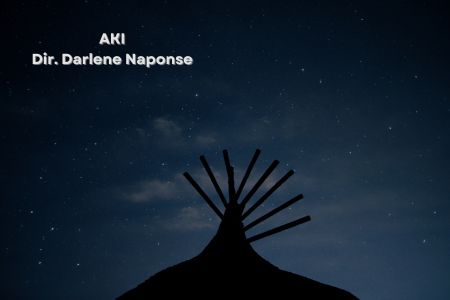
AKI is set on Atikameksheng Anishnawbek (formerly known as Whitefish Lake), this visual art documentary follows the seasons in director Darlene Naponse’s home community in Northern Ontario.
AKI follows the rhythm of the seasons and the daily practices of the Anishinaabe people. We disappear into the moment, allowing the stories to emerge as they are. We witness every moment without much dialogue, letting the stories unfold as they are.
In AKI, the seasons are more than backdrop or structure. The seasons serve the narrative as they shape the movement of the camera as well as the rise and fall of sound. The film asks us to listen to time as the land tells it: fluid, alive, and full of story.
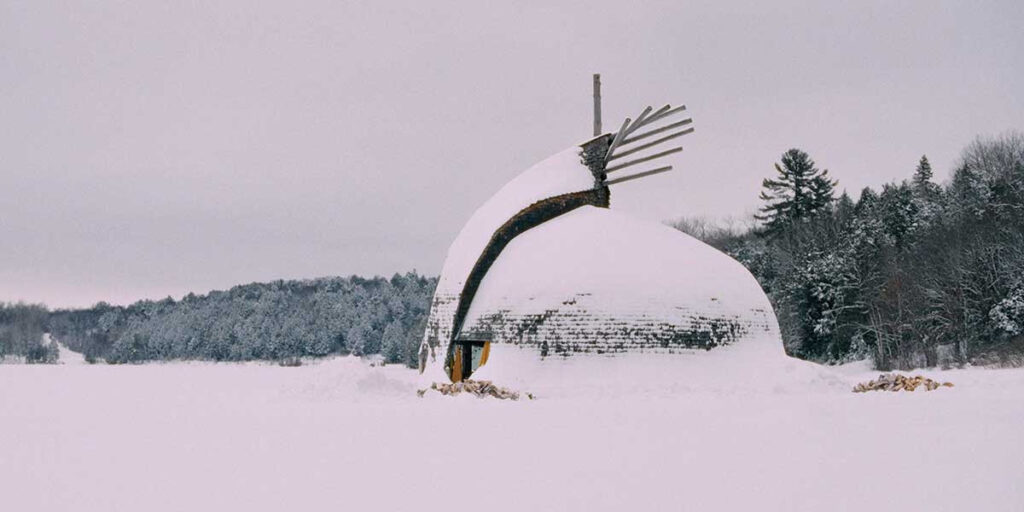
The camera lingers with purpose, on the cut of a log, the sound of skates on an outdoor rink, or the steam rising from a long boil of maple sap. The visual compositions and soundscapes are beautifully complemented and enhanced by an original score composed by Juno award-winning Cree cellist Cris Derksen.
Throughout the film, I felt grounded… pun intended. It is meditative and contemplative; in many ways, its pace is a reminder to appreciate all of nature’s sacredness.
I appreciate how Naponse highlights her community’s connection to the land, community, and the rhythms that shape their everyday lives. She also highlights how her community, and all Indigenous people for that matter, are not defined by colonial trauma. They are defined by their community, their lands, and their sovereignty.
As a film overall, it is one that has made a significant impact on various levels. Highly recommend it.