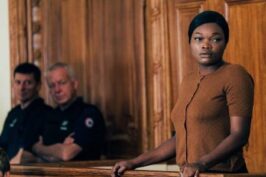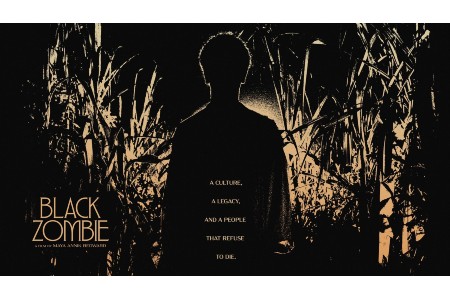
Following its sold out premieres at SXSW and Hot Docs, and an acclaimed USA theatrical release, Maya Annik Bedward’s feature documentary debut, Black Zombie, makes its way to Canadian audiences.
Setting the Scene
Black Zombie reframes one of horror’s most iconic figures through its original cultural and historical lens. The film traces the zombie’s origins to colonial Haiti, where it emerged not as a monster, but as a chilling metaphor for enslavement, a fate in which even death could not deliver freedom.
Long before it became a flesh-eating ghoul, the zombie was a living metaphor for slavery. In 17th-century Saint Domingue (modern Haiti), enslaved Africans believed death offered a return home to West Africa and spiritual freedom. To be made a zombie, however, was to have even that final escape stolen: condemned to endless labour, stripped of will, body, and soul. The zombie was not a monster, but ultimately the victim of colonial power.
Blending archival footage, horror film history, vérité storytelling and interviews with cultural historians, artists and genre legends, Black Zombie maps the figure’s transformation across decades of cinema, from its earliest depictions to its modern pop-culture dominance.
The film traces the zombies’ evolution from Vodou to White Zombie, Night of the Living Dead, and The Serpent and the Rainbow. It also features Yves-Grégory Francois, Anderson Mojica, Erol Josué, Mambo Labelle Déese Botanica, Tom Savini, Tananarive Due, Zandashé Brown.
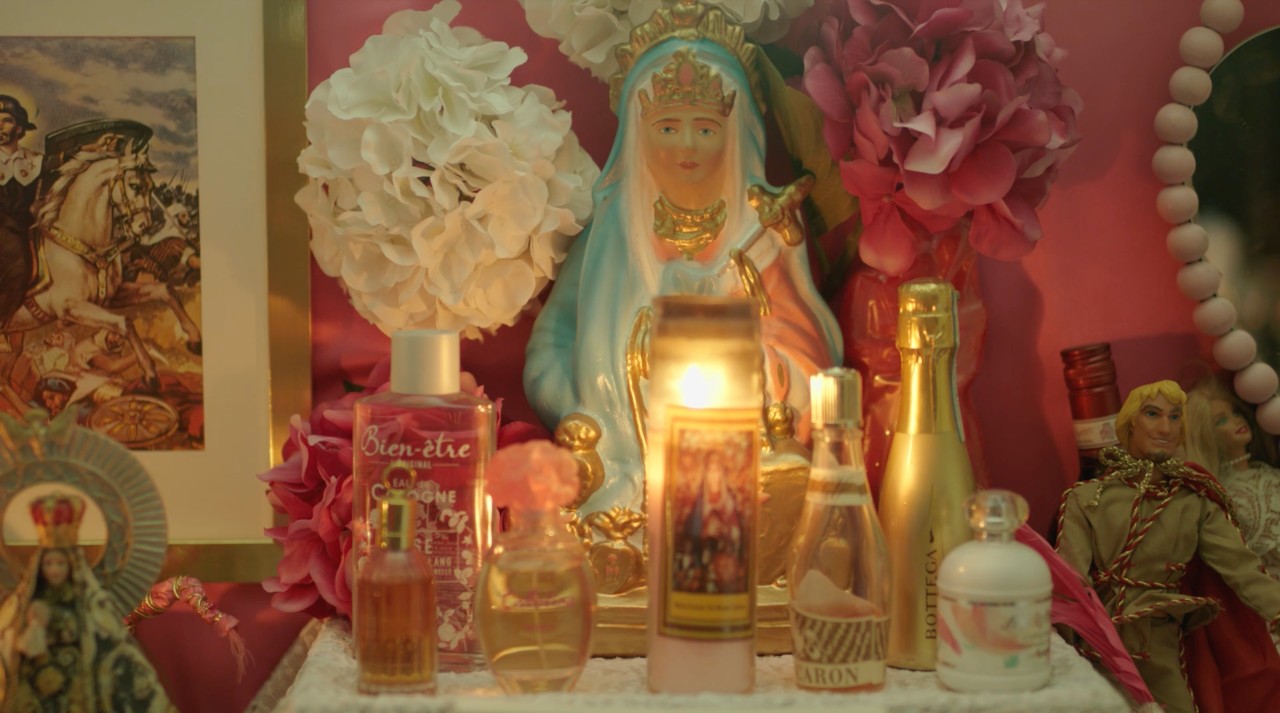
Interview with Writer/Director Maya Annik Bedward
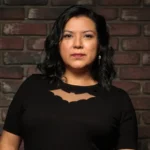
Jamaican-Canadian director Maya Annik Bedward explores history, resistance and identity through genre-informed storytelling. Her previous projects have screened at TIFF, Hot Docs, BlackStar and the New Orleans Film Festival. She is also a founding member of the Black Screen Office.
In lead up to the film’s premiere at Hot Docs, I had the opportunity to speak with Maya to gain more insights into her as a filmmaker and into the making of Black Zombie.
Additional Notes On The Film
From my conversation with the filmmaker, you can gauge the various layers uncovered in Black Zombie.
The film examines the long history of appropriation and the systematic vilification of Black spiritual traditions. Vodou, Candomblé, Santería, and Obeah are living religions practiced throughout the Caribbean and across the Americas. In fact, they are complex systems of cosmology, philosophy, and community care.
Through archival footage and the various interviewees, we see how representations of these traditions in popular media has reduced them to ‘black magic’. This is especially true of Vodou, which has been depicted as something evil and dangerous.
We also learn that Vodou was a catalyst of the Haitian Revolution, one of the most significant acts of Black liberation in world history. I appreciate how Black Zombie explores how colonialism and Western media reshaped the zombie into an object of fear, severing it from its roots in Haitian Vodou and its original meaning as a symbol of stolen freedom. As well, the ‘film within the film’ serves as a different point of view on this trope, and it works quite well in doing so.
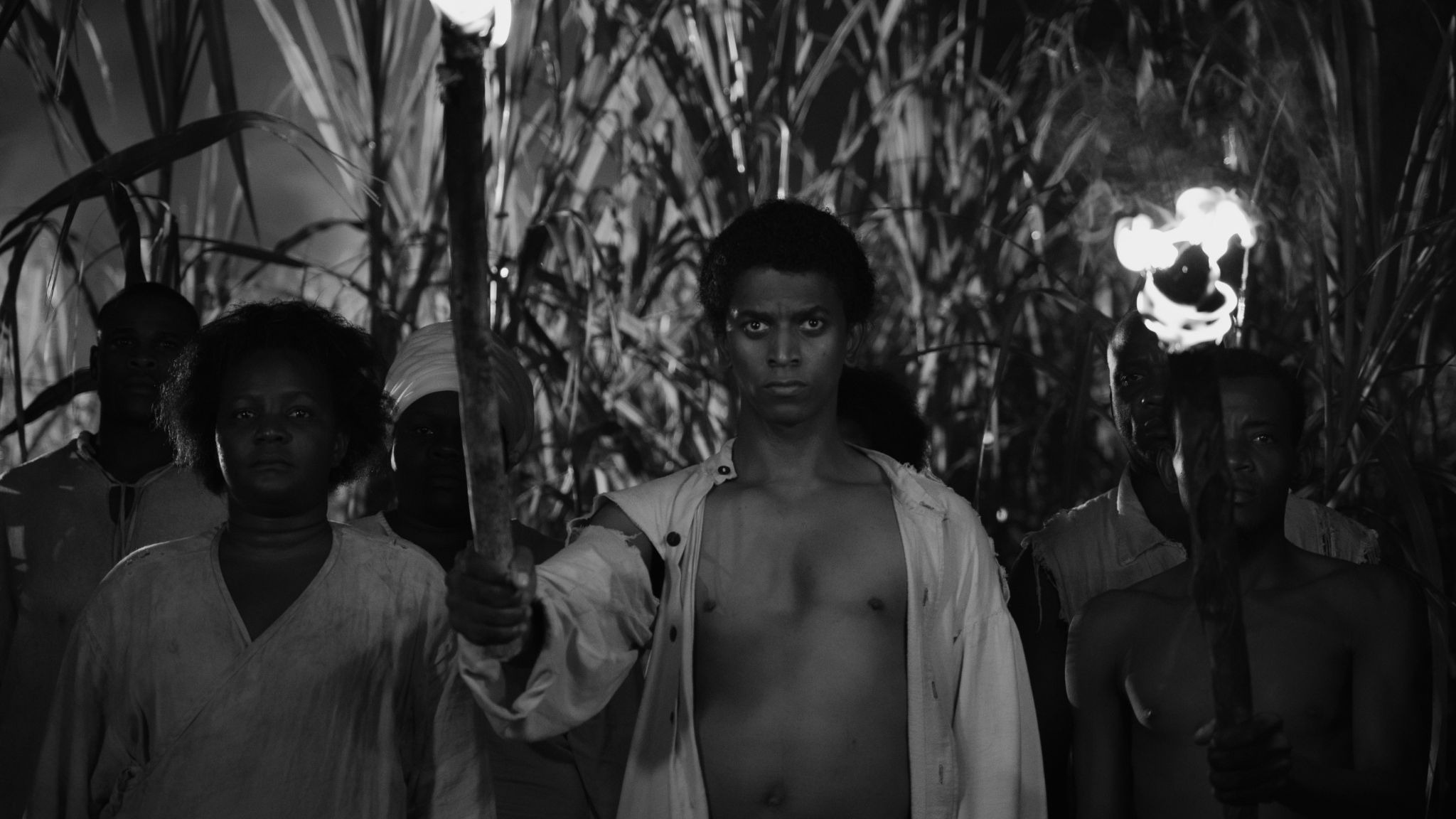
Part of Maya Annik Bedward’s film statement summarizes the intention of Black Zombie very succinctly, she states, “the film is my expression of gratitude to the knowledge keepers who have safeguarded these traditions and carried these histories forward. It is an invitation to look again at a figure we think we know and to confront the histories buried within it”.
Black Zombie is currently making its way to cinemas across Canada. Check local listings for location and screening times.