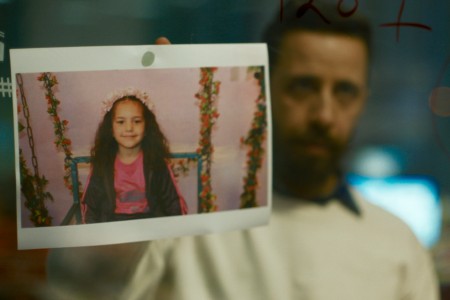
The Voice of Hind Rajab is a film that asks us to listen; not passively, not briefly, but with direct attention. Directed by Kaouther Ben Hania, the film centres on the final emergency call of six-year-old Hind Rajab, trapped in a car under fire in Gaza on January 29, 2024. Built from real emergency recordings and thoughtful dramatization, the film creates space for a voice that the world heard, and then failed to answer.
Setting the Scene
The film unfolds almost entirely through the Palestine Red Crescent call centre, where volunteers receive Hind’s call and try, against impossible odds, to coordinate a rescue. On the other end of the line is Hind, scared, alone, and asking not to be abandoned. The voices responding to her are real people whose actions and words that day were recorded and partly reconstructed for the film.
Omar (Motaz Malhees), the phone operator, becomes Hind’s primary point of contact, speaking to her gently, patiently, trying to keep her calm while danger closes in. Mahdi (Amer Hlehel), tasked with coordinating a safe rescue route, faces the brutal reality that even the most direct path can become unusable in seconds. Rana (Saja Kilani), another phone coordinator, works tirelessly to maintain communication, field updates, and relay information across fractured systems. Nisreen (Clara Khoury), focused on providing mental health support, carries the emotional weight of caring for both Hind and her colleagues as the hours stretch on.
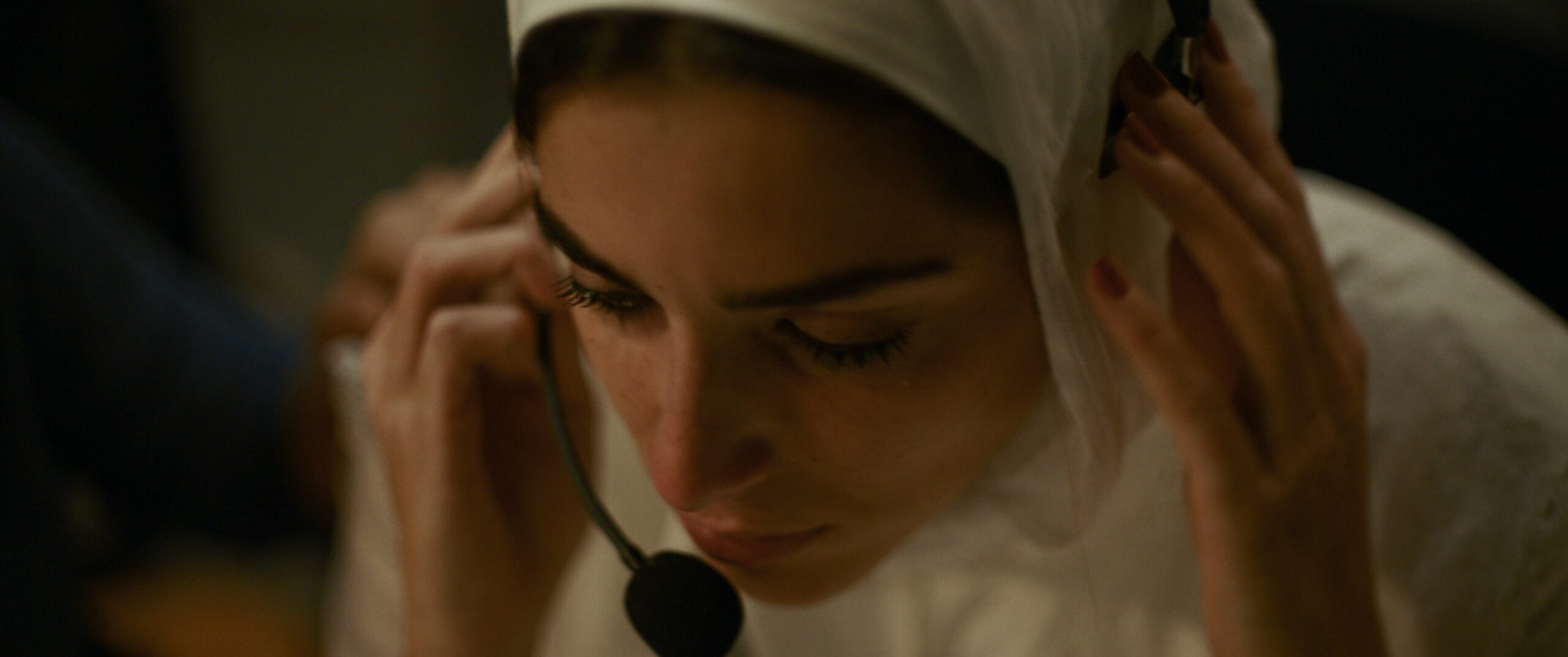
The film makes clear that rescue work in Gaza is not as simple as tracing an eight-minute route on a Google map. Roads are blocked or non-existent, permissions are denied, communication is unstable, and coordination with the occupying forces often feels futile. Every decision temporary. Every update almost too late or not at all.
Ben Hania chose to make this film only after receiving the consent of Hind’s mother, Wessam Rajab. That decision is key as it gives the film’s tone and ethics, grounding it not only in urgency but also in care. The story is told not as extraction or reenactment, but as an act of remembrance.
Hye’s Thoughts on the Film
In dramatizing scenes from a very real, raw, and heartbreaking story, Ben Hania places the audience inside the emotional and psychological state of those involved. We are not observing at a distance. We are made to sit with the waiting, the uncertainty, and the creepling realization of what may already be inevitable.
Because we know the outcome, the film sends us through cycles of emotion: anger, sadness, impotence, and loss. Hearing Hind Rajab’s actual voice becomes the emotional anchor of the film. Her words cut through the dramatization and remind us that this is very human and almost unfathomable loss.
Watching the Red Crescent staff struggle to keep Hind company while simultaneously trying to move systems that refuse to budge adds another layer of frustration and devastation. The film also exposes how coordination with an oppressive regime takes away time, hope, and moral clarity from even the most urgent rescue efforts.
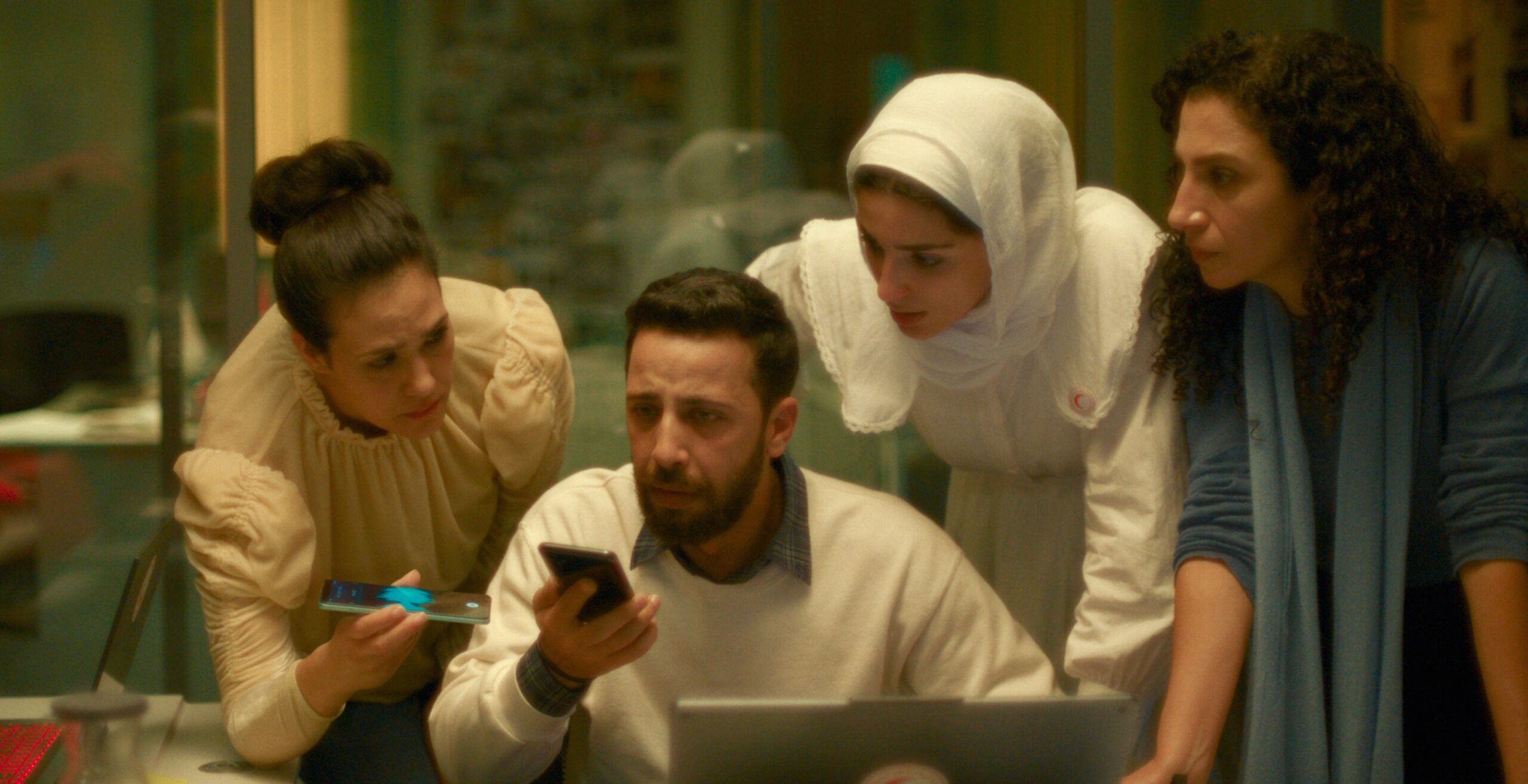
Ben Hania has spoken about choosing cinema because it has the power to make us pause and truly pay attention. That intention is felt throughout. The blend of dramatization with real recordings of Hind’s voice gives the performances authenticity. In my opinion, the emotions on screen align with those the audience experiences while watching.
Juan Sarmiento G.’s cinematography deserves special mention. His camera becomes another presence in the room, aligned with the Red Crescent staff rather than observing them from a removed place. This point of view places us alongside these workers, witnessing, listening, and holding space. It is a form of quiet solidarity that gives the film additional emotional honesty.
The Voice of Hind Rajab is difficult to watch, and it should be. In a time when stories from Gaza and other disaster zones are too easily drowned out by sensational, so-called news cycles, this film urgest us to pay attention. It reminds us that awareness is not passive, and that listening is not enough without action.
This film asks us to stay with discomfort, to acknowledge loss, and to remember the voices that keep calling out, especially, when the world fails to answer.