
Finch and Midland is an intersection in Scarborough. Like other intersections in the suburbs of Canada’s largest city, this intersection also has many a story to tell. In Finch & Midland, writer/director Timothy Yeung focuses on four stories from the wave of Hong Kong immigrants who came to Canada in the 1990s hoping for a new life.
Setting the Scene
Told through four loosely connected stories, Finch & Midland explores themes of belonging, identity, responsibility, and the spaces between dreams and duty.
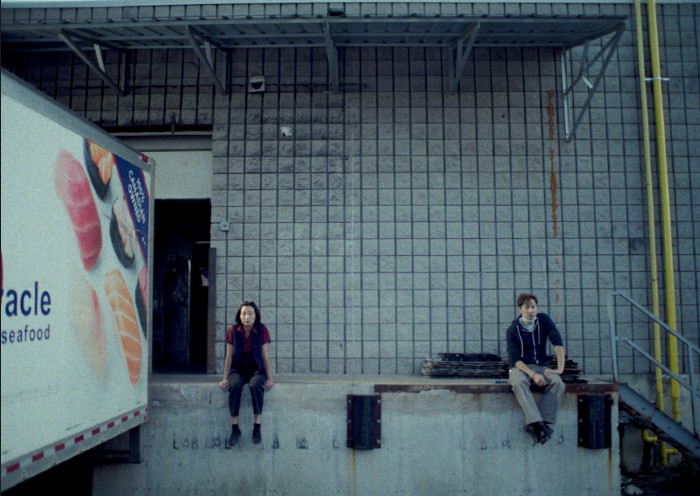
The film introduces us to Dan, a former pop singer trying to reconnect with his daughter; Fan, a single mother hoping to change her circumstances, Tony, a factory manager facing limits he did not expect; and Eva, a woman caring for her elderly mother while yearning for a deeper connection of her own. Yeung gives these stories time to unfold while capturing the rhythms of suburban life with a keen, observant eye.
Hye’s Thoughts on the Film
What stands out most is Yeung’s empathy for his characters. He doesn’t rush their stories; instead, he lets emotion surface through gestures, silences, and the small details of everyday life. The setting includes strip malls, quiet apartment complexes, street scenes and car rides, which give the feeling of the familiar while also grounding the film in a version of Toronto we do not often see on screen.
Patrick Tam’s Dan, a single father, has a really affecting scene in the film. At a karaoke bar with a new friend, he finds a brief moment of connection, only to be pulled back to reality. The reality is he wrestles with self-doubt and a deep desire to do what’s right for his daughter. The scene is a bittersweet moment that captures the loneliness and uncertainty of not sure how to start over.
Eva’s story is equally moving. Played effortlessly by Harriet Yeung, we see Eva torn between her duties as a daughter and sister, and her wish for a meaningful romantic relationship. She embodies the quiet conflicts so many carry but seldom talk about. Her storyline feels especially real and grounded; it is complicated, imperfect, and messily human.
The other two stories with Theresa Lee as Fan and Anthony Wong as Tony are equally moving. They also portray characters wanting a better life for themselves and their respective families while also dealing with professional hurdles.
Yeung’s decision to weave these separate lives together gives the film interesting layers and opens opportunities to examine various themes. The four stories might seem ambitious, however, they are nuanced enough to understand the emotional state and motivations of each of the characters.
I spoke with Yeung to learn more about the journey of making this film as well as hearing more about its characters.
Although the film lags in some parts, making it feel long at times, I appreciate Yeung’s storytelling approach. To me, the film offers a unique perspective yet also feels universal in its humanity.
Finch & Midland is a moving portrait of people trying to find balance in their lives while also maintaining a sense of cultural identity in a new home.
The film screens at this year’s Reel Asian International Film Festival. For details visit reelasian.com.