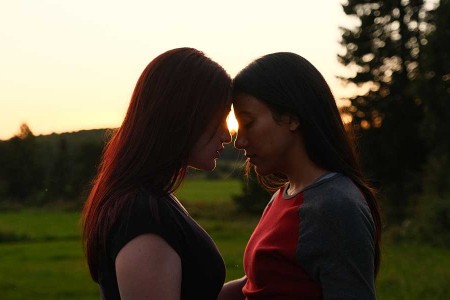
Set in the vibrant Métis community of Wapamon Sipi, Blood Lines weaves together personal pain with cultural pride in a narrative that feels both intimately personal and universally human.
The sophomore feature from Métis writer-director Gail Maurice, the film is a deeply emotional exploration of identity, family, and cultural belonging.
Setting the Scene
The film focuses on three women whose lives intersect in truly unexpected ways. Beatrice (Dana Solomon) is a fiercely independent Métis woman still dealing with the abandonment by her estranged mother Léonore (Gail Maurice), who has returned after years of absence, stirring resentment and unfinished grief.
Just as Beatrice begins navigating the raw edges of forgiveness, her way of life is interrupted by the arrival of Chani (Derica Lafrance), a soft-spoken outsider searching for the family she never knew. As Chani’s determination intersects with Beatrice’s emotional reckoning, an unexpected connection blooms between them. Through shared laughter, traditions, and the grounding pull of the land, both women begin to confront the questions that haunt them: ‘where do I come from, and who am I really?’ When a long-buried truth surfaces, their bond is tested in ways neither could have imagined.
What unfolds is a sort of dance between past wounds and potential healing, between blood ties and chosen family.
Hye’s Thoughts on the Film
Blood Lines brings forth the raw emotional authenticity and cultural celebration.
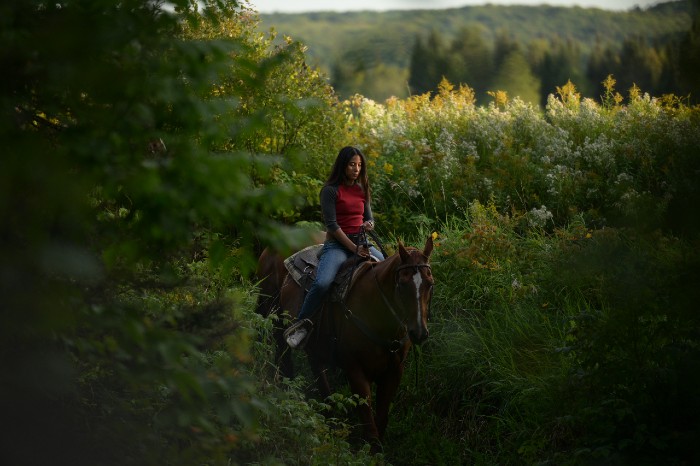
Abandoned at an early age by her alcoholic mother and raised by her grandparents, Beatrice carries deep wounds. She also has a rooted connection to her culture. She works at the local convenience store/gas station and writes for the community newspaper, she is supported by the people around her.
This is Solomon’s feature lead debut. She navigates Beatrice’s emotional complexity in a way that we can relate to her guarded exterior at first, which slowly opens to vulnerability as she allows herself to connect with Chani. All this, while trying to navigate her mother’s return.
Léonore is also a woman who is deeply hurt but on her way to make life better for herself. She returns to community where she feels cared for, even if her own daughter is not ready to reconnect just yet. Maurice juggles multiple roles in front of and behind the camera, yet delivers a performance that is both moving and transformative.
I will be remiss if I did not mention Lafrance, in her first major role here as Chani, the stranger looking for answers. She is white presenting and all she knows is she was adopted; hence she yearns for family ties. Her performance as someone in search of meaning and belonging feels quire real. The three leads are well supported by other women in the film; primarily the ‘Granny Gang’. They are three Michif-speaking elders (played by real community members Maggie Maurice, Mary Burnouf, and Bertha Durocher) who give us comic relief and cultural wisdom. Their presence is not just authentic casting; it serves as a living testament to language preservation and intergenerational knowledge.
Let me also mention here the film is set in the tight-knit village of Wapamon Sipi. We see the community prepares for Métis Days, a vibrant festival honouring heritage through traditional food, Moose calling, hatchet throwing, beading, Bannock baking, fiddle playing and of course the jigging competition .These moments are more than background details; they serves as acts of remembrance and pride.
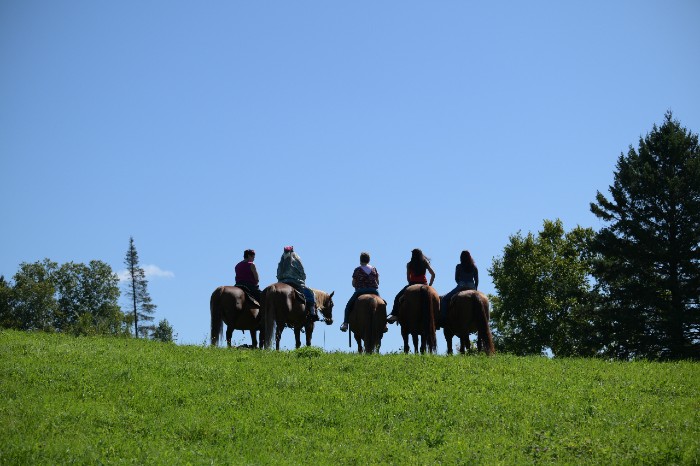
In the midst of drama and healing, Maurice ensured the film also honours Métis Culture. With Michif spoken throughout nearly a third of the film, Blood Lines serves a means to preserve a language with only 1,130 speakers worldwide. It also includes the Métis Days celebration highlighting traditional practices like jigging, bannock baking, and fiddle playing. These moments of celebration show us that Métis culture is alive, vibrant, and evolving.
In addition to this celebration, costume designer Quita Alfred combined contemporary clothing pieces with personal and culturally significant items to create Léonore’s jigging costume for the jigging scene. Without access to a vintage costume, new and old items were layered to suggest garments from a part of her past she had long forgotten.
Maurice’s direction creates an atmosphere where small-town life feels both suffocating yet comforting. The cinematography by Steve Cosens captures the beauty of the North Bay region without romanticizing poverty or struggle.
The film’s exploration of family displacement carries weight given Maurice’s personal connection to the sixties scoop and her own experience of having a sister taken for adoption. This lived experience fills the film with authenticity and emotional truth. Blood Lines is more than a drama; Maurice and team ensures it serves as an act of cultural preservation and a testament to the strength found in community.